
Supporting Healthy Marine Ecosystems
The ocean is more than just another body of water. Rather, plays an integral part in our daily lives, from regulating our climate and providing the air we breathe and serving as an additional source of sustenance.
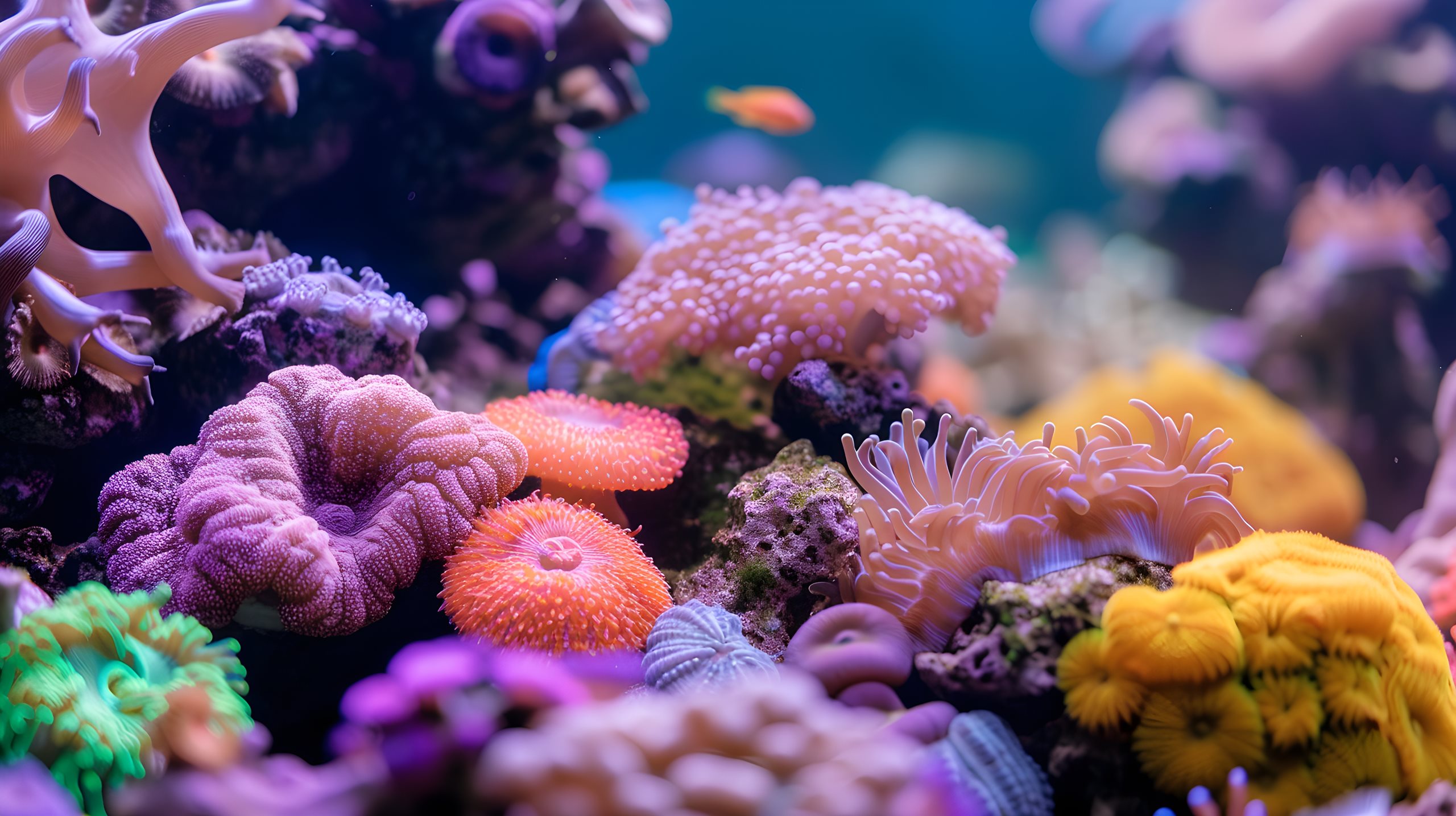
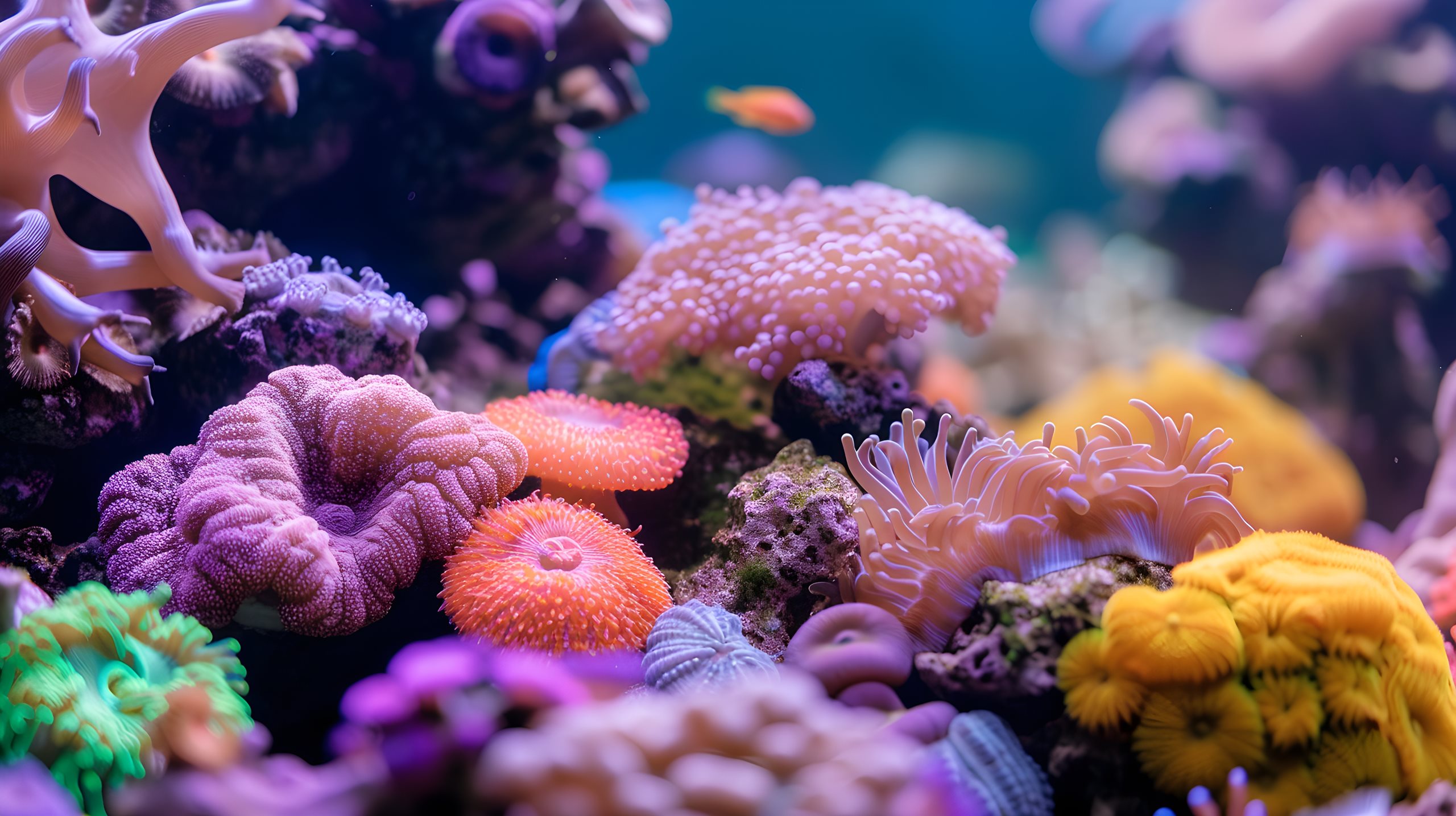
The crux, however, is that it is a natural habitat home to a diverse range of marine life, some of which play key roles in the regulation of our ecosystem such as coral reefs and seagrass meadows which serve as important natural habitats for a wide range of animals in the marine world. Without these ecosystems, there could be dire consequences, not just affecting the harmony of our marine ecosystem but also our way of life.
Our initiative, Heart of the Ocean (HOTO) plays a role in mitigating these effects by spreading awareness among communities about the importance of marine ecosystem preservation while simultaneously undertaking numerous conservation projects.
Our Marine Ecosystems
Marine ecosystems today face increasing pressure from pollution, habitat degradation and unsustainable human activities. These challenges threaten biodiversity and impact the long-term health of coastal environments.
Recognising the importance of collective action, MISC Group continues to support initiatives that contribute marine conservation, ecosystem restoration and public awareness.
Heart of the Ocean (HOTO) Programme
Building further on HOTO and its supporting role in marine ecosystem preservation, as an umbrella programme of MISC Group, HOTO supports MISC sustainability strategies that align seamlessly with those of the United Nations Sustainable Development Goal 14 (UNSDG 14), “Life Below Water”, which aims to conserve and sustainably utilise our oceans, seas, and marine resources for sustainable development.
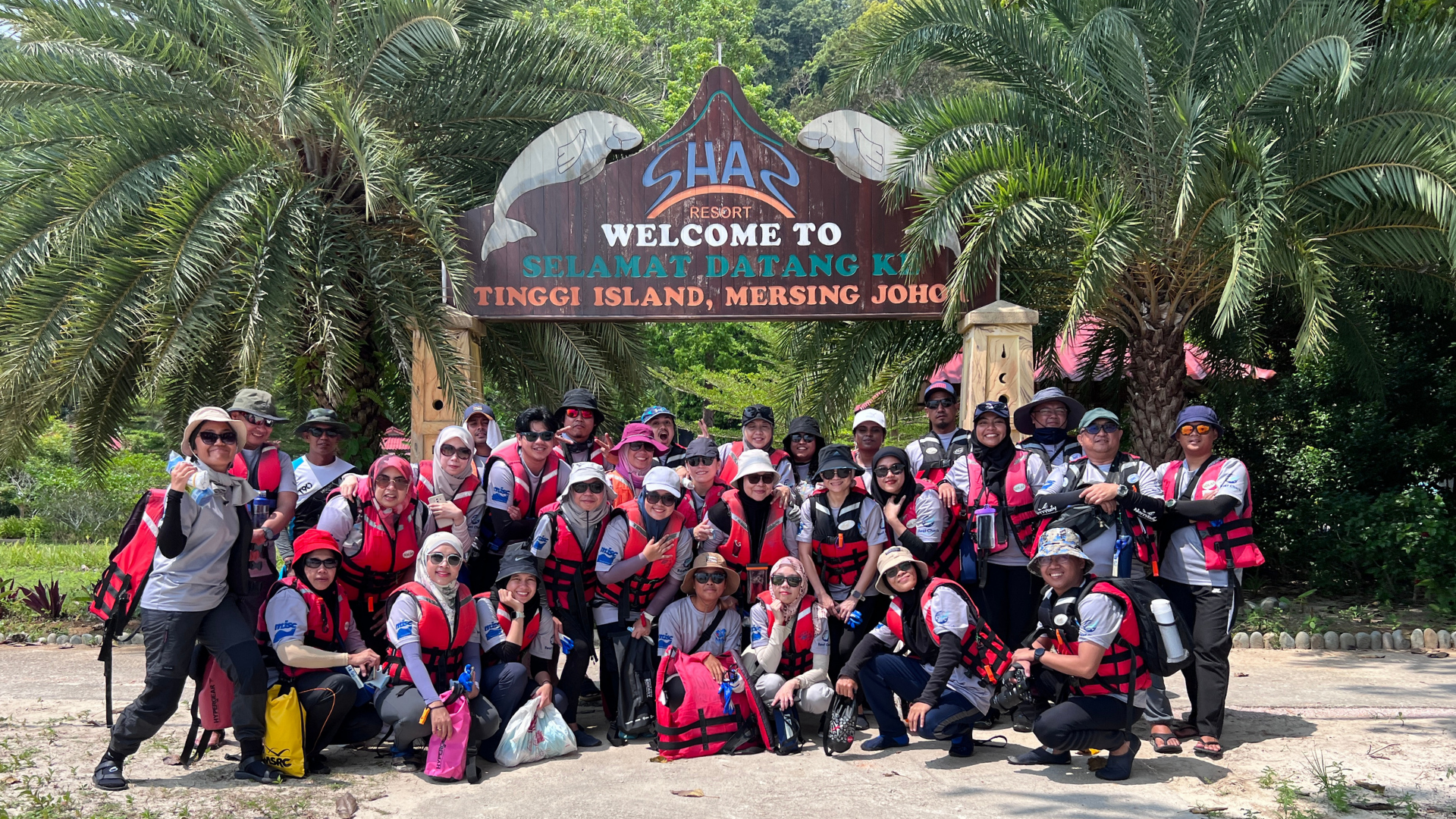
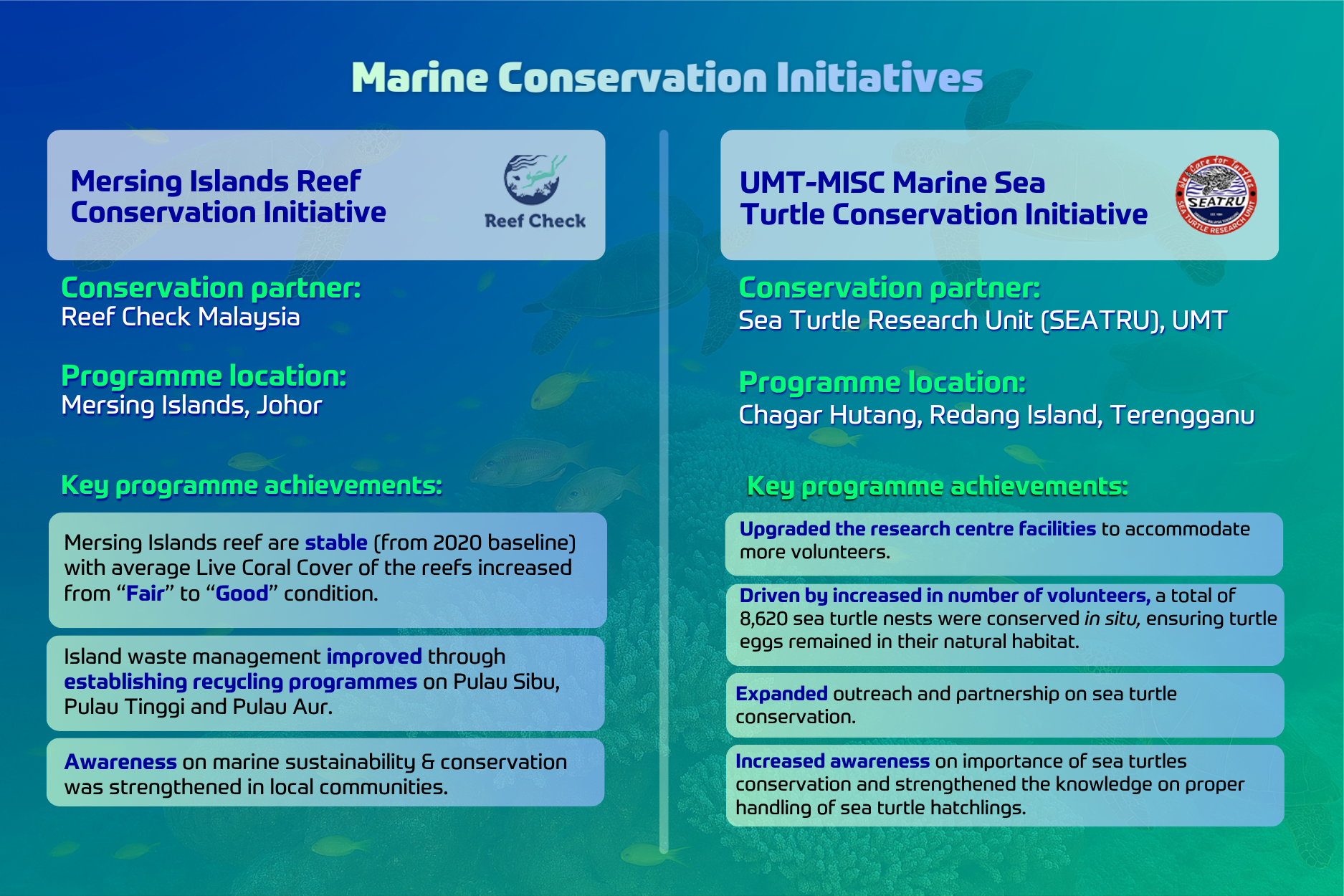
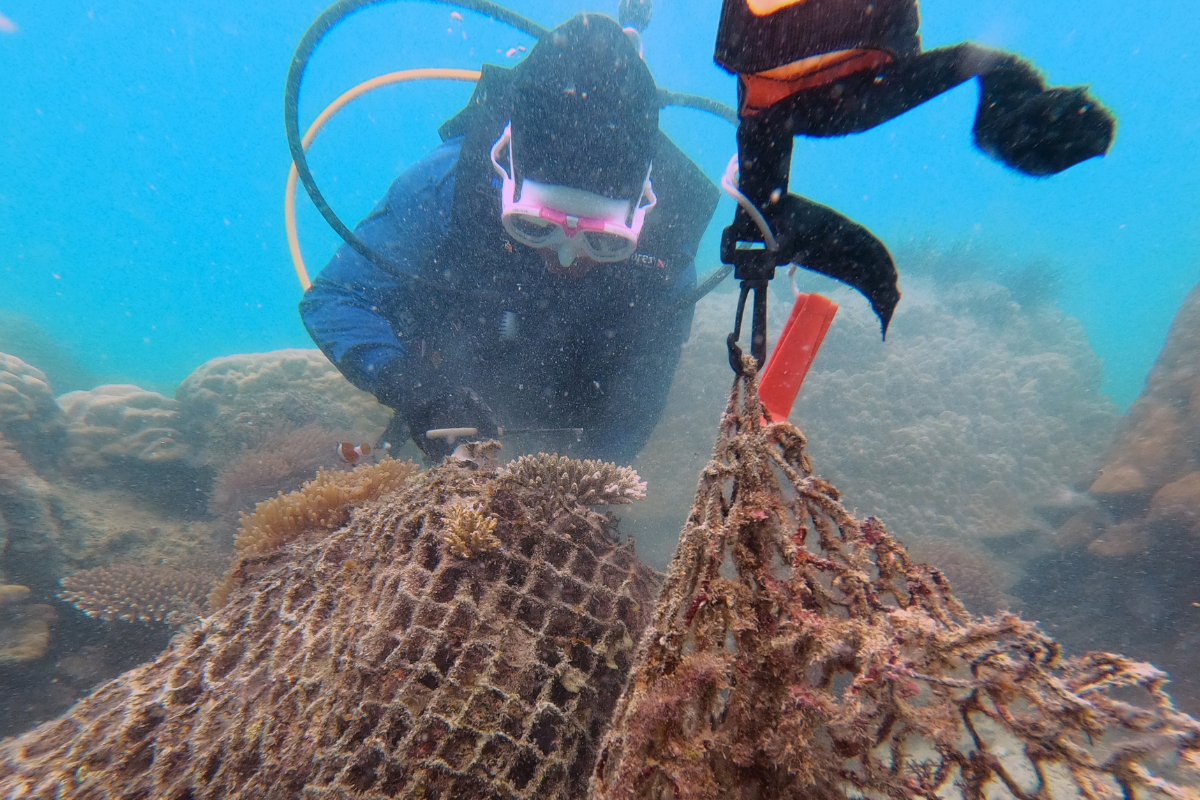
To achieve this milestone, HOTO has conducted various engagements and collaborations with local communities on projects such as our Mersing Islands Reef Conservation Initiative in Johor, where as of 2025, a total of 1,910 kg worth of marine debris has been removed from 60 coral reef sites. In turn, this has enabled the corals to both recover and rejuvenate.
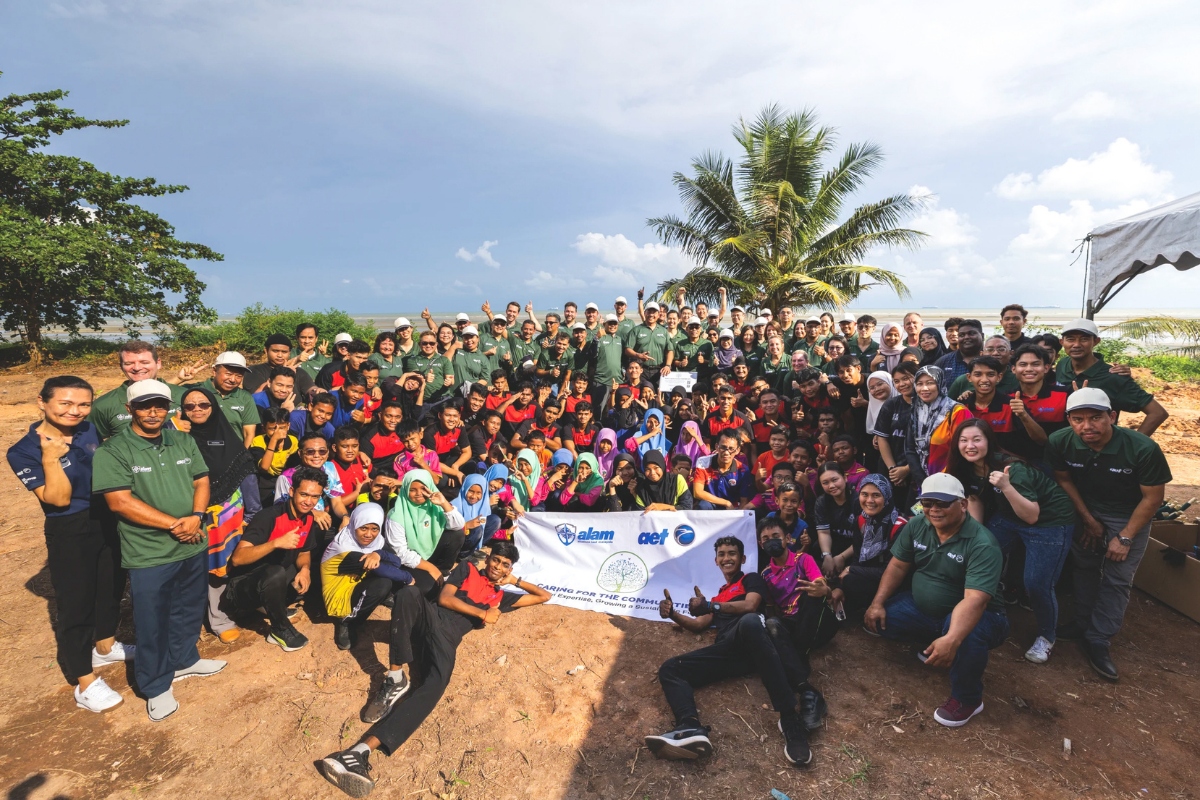
Other notable initiatives that have aided in spreading community awareness include a total of 28 awareness programmes hosted at local schools and 24 awareness programmes and sharing sessions held with local communities, youths, and government agencies to reinforce their roles not just as fellow partners but as both guardians and ambassadors for our oceans.
Further consolidating the positive impact this environmental endeavour offers to our oceans, HOTO was even awarded two consecutive Silver Awards and one Gold Award from the Star’s Positive Impact Award and one Bronze Award from Asia ESG Positive Impact Consortium (A-EPIC), reinforcing our efforts as an advocate of marine sustainability.
Looking Ahead
Looking ahead, MISC Group aims to further strengthen the impact of the HOTO initiative through broader partnerships, expanded conservation efforts and continued community engagement.
As marine ecosystems continue to face evolving environmental challenges, collaborative action and long-term commitment remain essential in supporting a more sustainable future for generations to come.
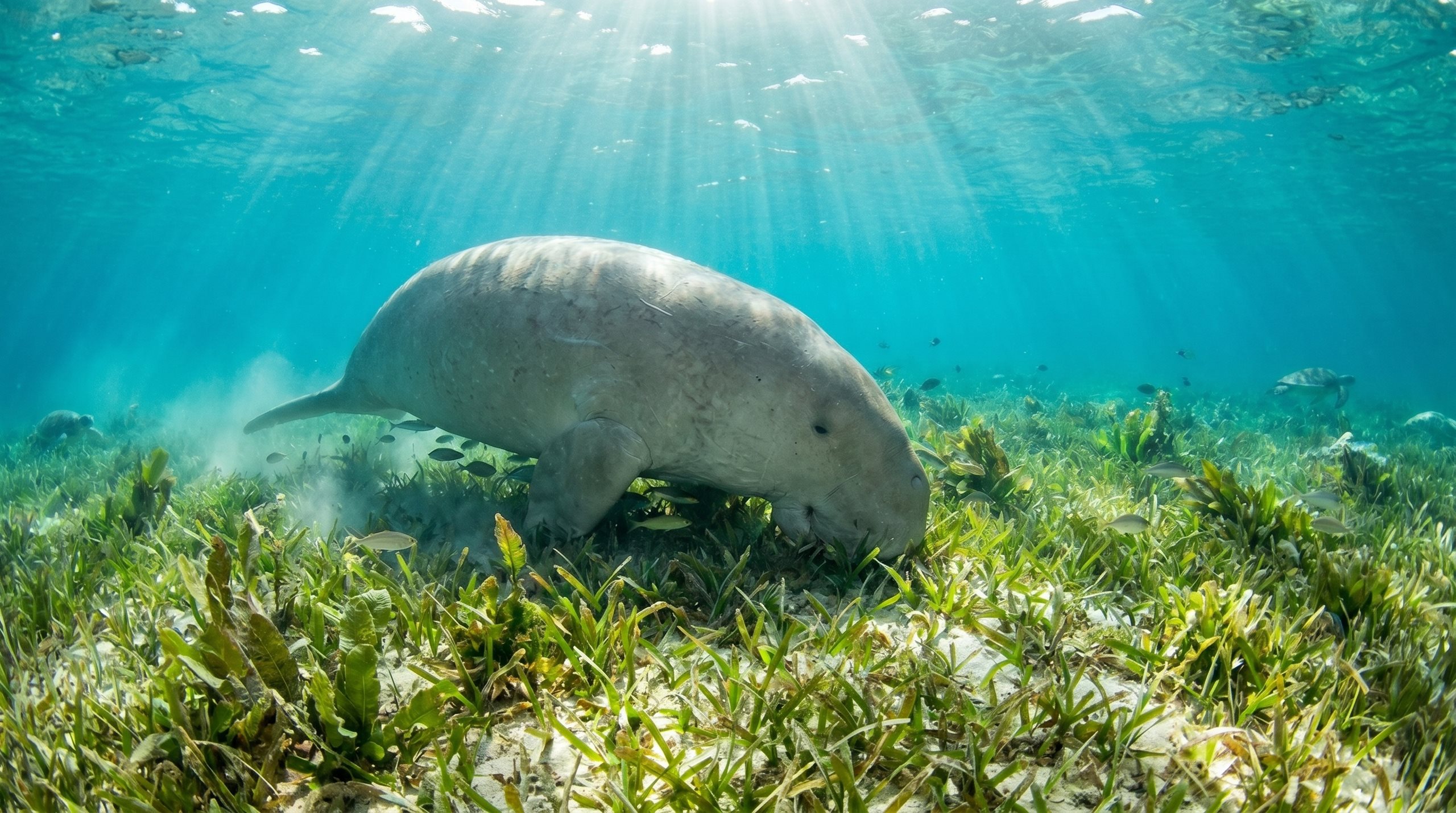
Building on its strong progress, HOTO continues its efforts in 2026 by expanding into additional sustainability initiatives, including dugong and seagrass meadow conservation. These marine ecosystems are closely interconnected, with dugongs acting as key ecological regulators that support healthier seagrass, while seagrass meadows provide essential habitats for a diverse range of marine life.
Conclusion
Through HOTO , MISC continues to support meaningful marine conservation efforts that contribute towards environmental awareness, ecosystem preservation and stronger community participation.
These initiatives reflect the Group’s ongoing commitment towards responsible sustainability practices while reinforcing the importance of collective action in protecting marine ecosystems for future generations.
To partner with us or to find out more about our marine conservation solutions, find out more here: https://www.miscgroup.com/sustainability/marine-biodiversity-conservation
This article was written based on these references:
Pickerell, T. (2025). Why 2025 Is a Critical Year for the Ocean. World Resources Institute.
Spaulding, R. (2022). Overfishing: The Biggest Form of Poaching in the World. Safe Worldwide.
https://safeworldwide.org/overfishing-the-biggest-form-of-poaching-in-the-world/
Wood, K., Ashford, O. How Blue Carbon Can Tackle the Climate, Biodiversity and Development Crises. World Resources Institute.
https://www.wri.org/insights/what-is-blue-carbon-benefits-for-people-planet
